Ohana Connect: Home Safety Devices for Seniors, Powered by Sensi AI

Know How They’re Really Doing, Without the Guesswork

The hardest part of caring for aging parents or a partner from a distance is not the distance itself. It is the not knowing. The wondering. The phone calls where everything sounds fine, but something feels off. The visits where you notice things that were not there last time.

Ohana Connect was built to give family members a clearer picture of what is really happening in a loved one's day-to-day, between visits, between phone calls, between worries. It is care intelligence designed to notice the small things, the early patterns, the quiet shifts that often go unspoken until they become something serious. Ohana Care offers peace of mind rather than more to worry about. It is available as a stand-alone service for $99 a month.

Ohana Care Is Proudly Accredited by Accreditation Canada

We take pride in providing trusted, accredited in-home care your family can count on for safety and peace of mind.

Accredited with Accreditation Canada!

Why Pattern Recognition Changes Everything

It Senses What You Cannot

When you call to check in, you get a snapshot. When you visit, you get a few hours. Between those moments, life happens, and so do the small changes that matter most in a senior's home. Ohana Connect quietly senses those changes, and any early signs of danger, building a picture of daily life that no one else can see.

It Catches the Patterns That Predict Problems

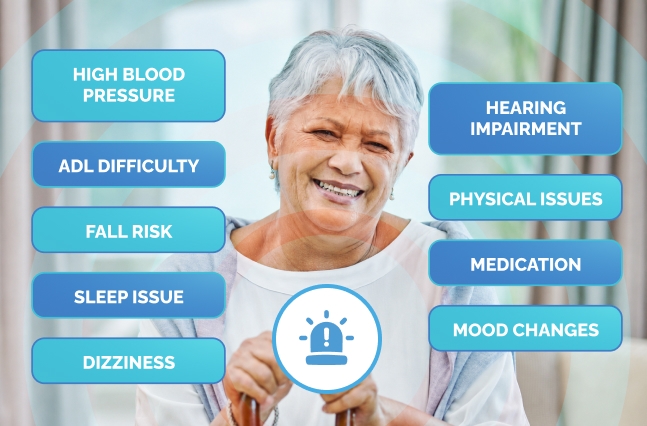
A fall is rarely the first sign. A UTI rarely arrives without warning. Memory changes or cognitive impairment show up in subtle ways long before anyone names them. Ohana Connect is built to detect falls and other changes associated with increased risk, including shifts in sleep, daily activities, movement, social engagement, and vocal patterns. For example, a subtle change in movement can point to something emerging in a senior's health, often weeks before it becomes a crisis.

Elderly woman with a cane, surrounded by labeled health concern tags including high blood pressure, fall risk, and mood changes

It Gives You a Clearer Picture, Without Full Home Care

You might not be ready for in-person home care. Your loved one might not want it yet. That is okay. Ohana Connect is designed for exactly this moment, when you want to understand more and worry less, without the commitment of regular care visits, extra assistance, or asking your loved one to give up feeling independent.

Using Ohana Connect Powered by Sensi AI to Maximize Home Care Funding

For clients currently receiving support through the Client Directed Home Care Invoicing (CDHCI) program or those exploring Alberta Health Services' hybrid funding options, Ohana Connect, powered by Sensi AI, provides objective, real-time data that can strengthen funding discussions and care planning with health care providers.

Unlike traditional assessments that rely on periodic observations or self-reported information, Sensi AI continuously analyzes patterns within the home environment, identifying changes in daily routines, mobility, sleep, social engagement, caregiver involvement, safety risks, and overall care needs. This creates a comprehensive picture of the client's actual support requirements based on measurable health metrics rather than isolated snapshots in time.

When meeting with an AHS Case Manager, a medical professional, or during reassessments, family caregivers can use these insights to demonstrate increasing care needs, caregiver stress, safety concerns, nighttime supervision requirements, or changes in functional ability. This evidence-based approach helps ensure that care plans and funding allocations accurately reflect the client's current circumstances and evolving needs. The result is often a stronger case for maintaining or increasing authorized hours, accessing additional respite supports, or qualifying for funding streams that may not have been previously considered.

By combining professional assessments with objective care data gathered through Ohana Connect, families are better positioned to advocate for the level of support required to safely remain at home while maximizing the publicly funded resources available through AHS and CDHCI programs. Data-driven care planning helps ensure that funding decisions are based on what is actually happening in the home, not just what can be captured during a single assessment visit.

The patterns it captures, changes in sleep, activity, cognition, social engagement, and physical wellbeing, build a clear picture of daily life. Months of this data can become a powerful asset when it comes time to apply for or request additional government-funded care hours through Alberta Health Services.

Without that record, families often have to rely on memory and anecdote when advocating for care funding. With Ohana Connect, you can point to patterns. And patterns are harder to dismiss.


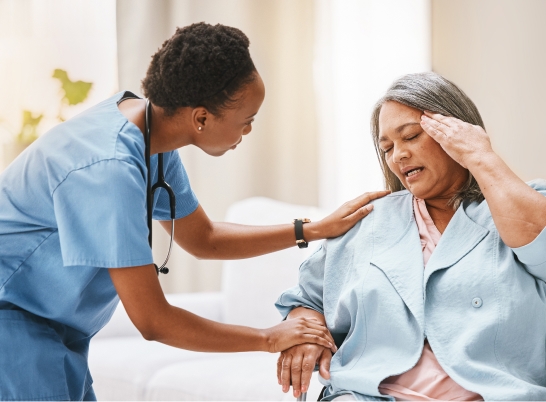
Caregiver comforting an elderly woman who is holding her head in discomfort
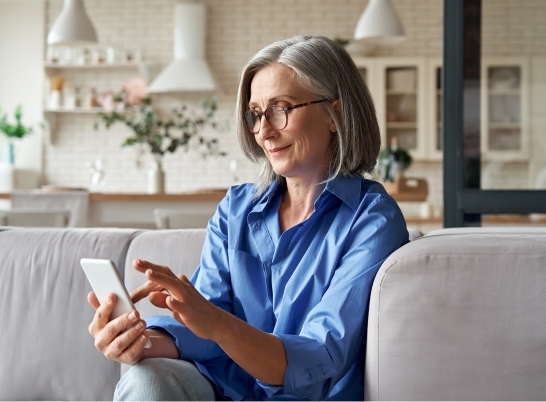
Older woman sitting on a couch checking her smartphone
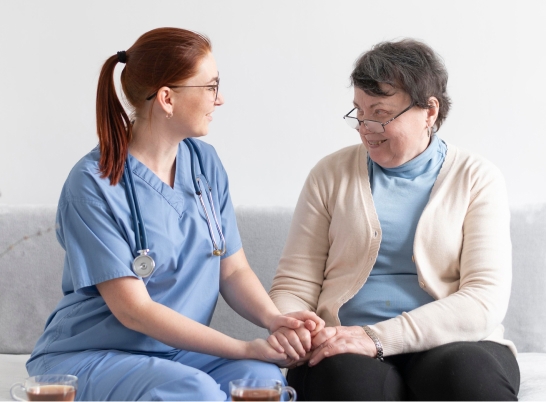
Caregiver holding hands with an elderly woman while talking on a couch
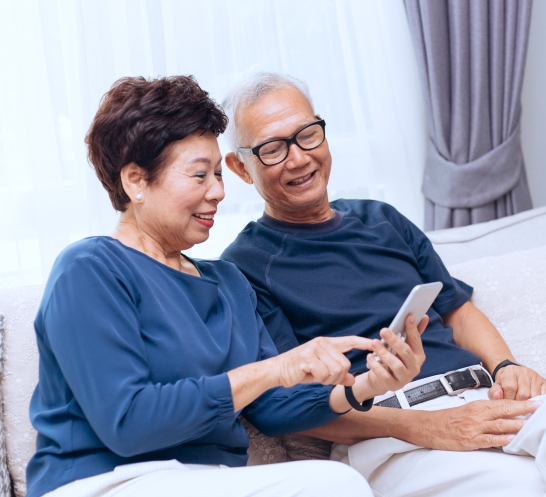
Elderly couple sitting together looking at a smartphone screen

Who is Ohana Connect for?

Ohana Connect is for the families who are paying attention, but cannot always be there. It is especially meaningful for:

  • Long-distance children whose aging parents live independently
  • Families who are noticing early changes, but are unsure how serious they are
  • Adult children whose elderly parents insist they are "fine"
  • People exploring senior living or care options but not yet ready to commit
  • Older adults who want to age in place with dignity, while their families gain peace of mind
  • Anyone who has ever hung up the phone and wondered if everything is really okay

What Ohana Connect Helps You See

  • Physical Changes - Falls, near-falls, mobility shifts, abnormal activity and changes in activity levels.
  • Health Indicators - Signs that often point to UTIs, missed medication reminders, or other emerging health concerns.
  • Cognitive Patterns - Changes in routine, restlessness, sleep disruption, or activity at unusual hours, which can be early indicators of cognitive impairment.
  • Emotional Wellbeing - Social withdrawal, signs of loneliness, and a lack of engagement that often go unspoken.
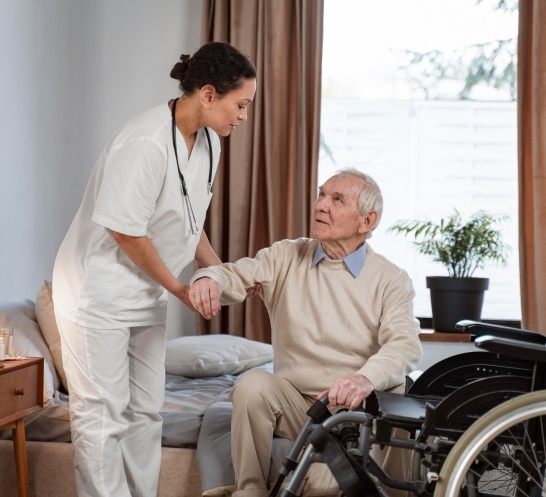
Caregiver helping an elderly man stand up beside his wheelchair

How Ohana Connect Works

Icon One

The Device

Pods that plug into a standard outlet in your loved one's home. No cameras. Nothing to wear. Nothing for your loved one to manage, and no extra equipment to purchase.

Icon Two

The Intelligence

Powered by Sensi AI, an AI for senior care, the device detects patterns in movement, sound, activity, and environment and identifies the signals that matter for care.

Icon Three

The Insights

We send you a monthly report of care insights, and if anything high-priority is flagged, we send alerts directly to the listed emergency contacts. Your family stays connected and informed without having to chase anything down.

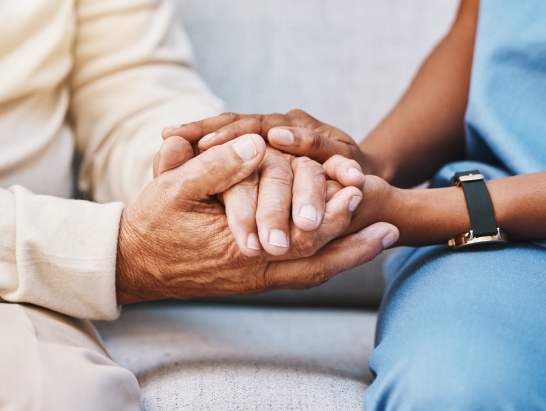
Close-up of an elderly man's hands being held by a caregiver's hands

Honest About Privacy

Let us answer the question you are probably already asking.

Yes, Ohana Connect does capture audio. That is how it offers fall detection, detects distress, and flags changes in vocal patterns over time. But only audio relevant to care insights is ever retained, and your loved one's medical information stays private. Everything else is automatically deleted and is never accessible to anyone. No one is listening to your loved one's daily conversations. The system simply does not keep them. This is care, not surveillance.

What It Feels Like to Just Know

For many families, the hardest part is the constant low hum of uncertainty. Wondering. Worrying. Hoping. Ohana Connect does not eliminate that completely, but it changes its shape.

  • You stop guessing at how things really are
  • You stop relying only on what your loved one chooses to share
  • You stop dreading the phone call you hope never comes
  • You start seeing patterns early, when they are still small
  • You start sleeping a little easier
  • You start to feel safer, and so does everyone who loves them
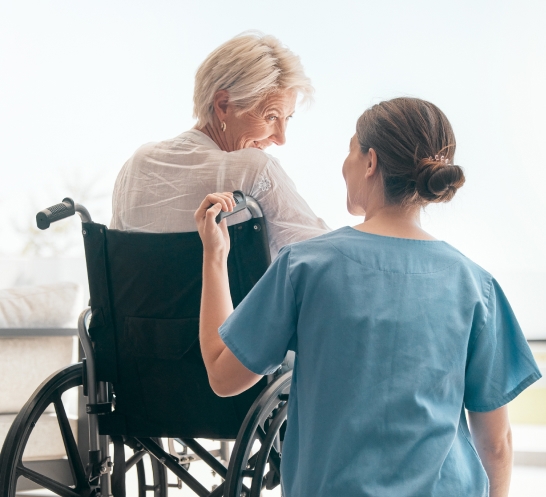
Caregiver pushing an elderly woman in a wheelchair by a bright window

Getting Started Takes 10 Minutes

Icon One

Get in Touch

Reach out by phone or through our intake form. We will answer your questions and get you started.

Icon Two

We Come to the Home

One of our team members will install the device. Setup takes about 10 minutes.

Icon Three

Ohana Connect Begins Learning

Over the first few weeks, Ohana Connect builds a picture of your loved one’s daily rhythms.

Icon Four

You Stay Informed

A monthly care insights report and high-priority alerts keep you, and any other family member you choose, informed about your loved one’s health.

Frequently Asked Questions

No. Ohana Connect is a stand-alone home safety device for seniors. It does not include caregiver visits or hands-on care. If you eventually decide home care is the right next step, we are here for that conversation too.

No. No contracts, you can start or stop the service whenever it makes sense for your family.

Ohana Connect's safety devices capture audio to detect care-relevant signals, such as falls, distress, and changes in vocal patterns. Only those snippets are retained for the purpose of providing insights, with strict security around anything that is kept. Everything else is automatically deleted and never accessible to anyone.

No. Ohana Connect does not deliver emergency help on its own. It is a proactive safety device, not an alarm system built to summon emergency responders. It is designed to surface patterns and early signals over time, not to provide emergency services during an emergency situation. If you are facing a medical emergency, always call 911.

Ohana Connect can transition seamlessly. If you decide you need more support, including long-term care, your existing safety insights and history come with you. Ohana Connect is included at no additional cost for active home care clients.

If you're concerned about an elderly parent in assisted living, long-term care, memory care, or another senior living community, Ohana Connect works there, too. Even the best facilities have staff ratios that make it impossible to maintain a constant, watchful eye between checks, meals, and shift changes. Placed in a senior's room, Ohana Connect gives your family the same visibility we offer clients aging in place: daily activities and patterns staff don't have time to document, early changes often written off as "just getting older" rather than signs of cognitive impairment, and real evidence of well-being to bring to the facility's health care providers. You stay close to your loved one and keep peace of mind, even when you can't be in the room.

Ohana Connect requires a home Wi-Fi connection and a standard power outlet to operate, and it does not include backup batteries or power. If a power outage or Wi-Fi disruption happens, the device pauses and resumes tracking automatically once power and connectivity are restored. A short outage won't cost you the bigger picture, since insights come from patterns over days and weeks, not a single moment.

Traditional medical alert systems and a medical alert device are built for the moment something goes wrong: a wearable pendant with the push of a button to reach emergency services and emergency responders. Ohana Connect is built for everything that happens before that moment. It's not a medical alert system and doesn't replace one. It's a proactive layer that catches slow, quiet changes that a medical alert button never sees coming.

No. Ohana Connect doesn't rely on motion sensors or movement sensors for the elderly placed around the house. It uses a single audio-based sensor that listens for care-relevant patterns, so there's nothing to wear, charge, or carry, and nothing to track your loved one's location. Some families compare it to other systems built for clinical use, but Ohana Connect is designed to be simpler: one sensor, one monthly report, and nothing to configure.

It depends on the need. Assistive devices like hearing aids solve a specific problem for a specific task. Ohana Connect and other senior safety devices work differently: instead of solving one problem, they quietly pick up on patterns across daily life. Many families use both: hearing aids or other assistive devices for daily function, and a safety device like Ohana Connect for the bigger picture of health and safety over time.

The standard setup uses 3 pods, placed in the rooms where your loved one spends the most time, generally the bedroom, kitchen and bathroom. For larger homes or specific concerns, ask our team. Additional coverage may be available depending on the space.

The standard setup uses a single sensor, placed in the room where your loved one spends the most time. For larger homes or specific concerns, ask our team; additional coverage may be available depending on the space.

Smart locks, smart speakers, video doorbells, and a medication dispenser are useful smart devices, but each one solves a single, specific task: locking a door, playing music, seeing who's at the door, or dispensing a pill. Ohana Connect isn't one of these smart devices. It's a dedicated safety device built to notice patterns across everyday tasks and everyday life, the kind of gradual change no single smart device is designed to catch. Many families use Ohana Connect alongside their existing smart home setup rather than instead of it.

If a high-priority pattern is flagged, we reach out directly to you or to the emergency contacts you've provided, and you'll always speak with a live person on our care team, not an automated alarm. For non-urgent patterns, everything shows up in your monthly report, so you can review it on your own time or bring it to a medical professional.

No. It's built to help families support aging parents from a distance, since that's where most of the demand is, but the technology itself isn't age-specific. It's really about catching change in anyone's daily routines without waiting for someone to notice or speak up, which applies just as much to an adult recovering from a hospital stay, living with a chronic condition like Parkinson's or ALS, or navigating a disability, all of which Ohana Care already supports through its home care services. Anywhere a family wants a sense of security around daily life and well-being without full-time in-home care, Ohana Connect fits.

$99 a Month. No Contracts. No Minimums.

Ohana Connect is a flat monthly service. There are no long-term contracts, no setup fees, and no minimum commitments. You can start, pause, or stop at any time.

Telephone icon

Calgary Area

(403) 300-2273

Telephone icon

Edmonton Area

(780) 909-6151

Telephone icon

Vancouver Area

(604) 449-2200

Telephone icon

Vancouver Island

(250) 980-0598

Jobseeker icon
Looking for a career in caregiving?

This form is for care inquiries only.
Job applications submitted here will not be reviewed.

CONTACT INFORMATION:

TOP
Navigation >
Ohana Care